01
Asset Lifecycle Planning
Full lifecycle cost modelling for track, signalling, and rolling stock assets. Aligned with ISO 55001, tailored to the capital-intensive realities of GCC rail programmes.
Gulf rail networks are new, but they are being built and handed over faster than the maintenance organisations around them can mature. Heat cycling works the rail, sand migrates through the ballast, and inspection regimes written for a temperate climate do not always hold here. We work with rail operators from construction handover through to steady-state maintenance, on both the asset management framework and the monitoring that feeds it.
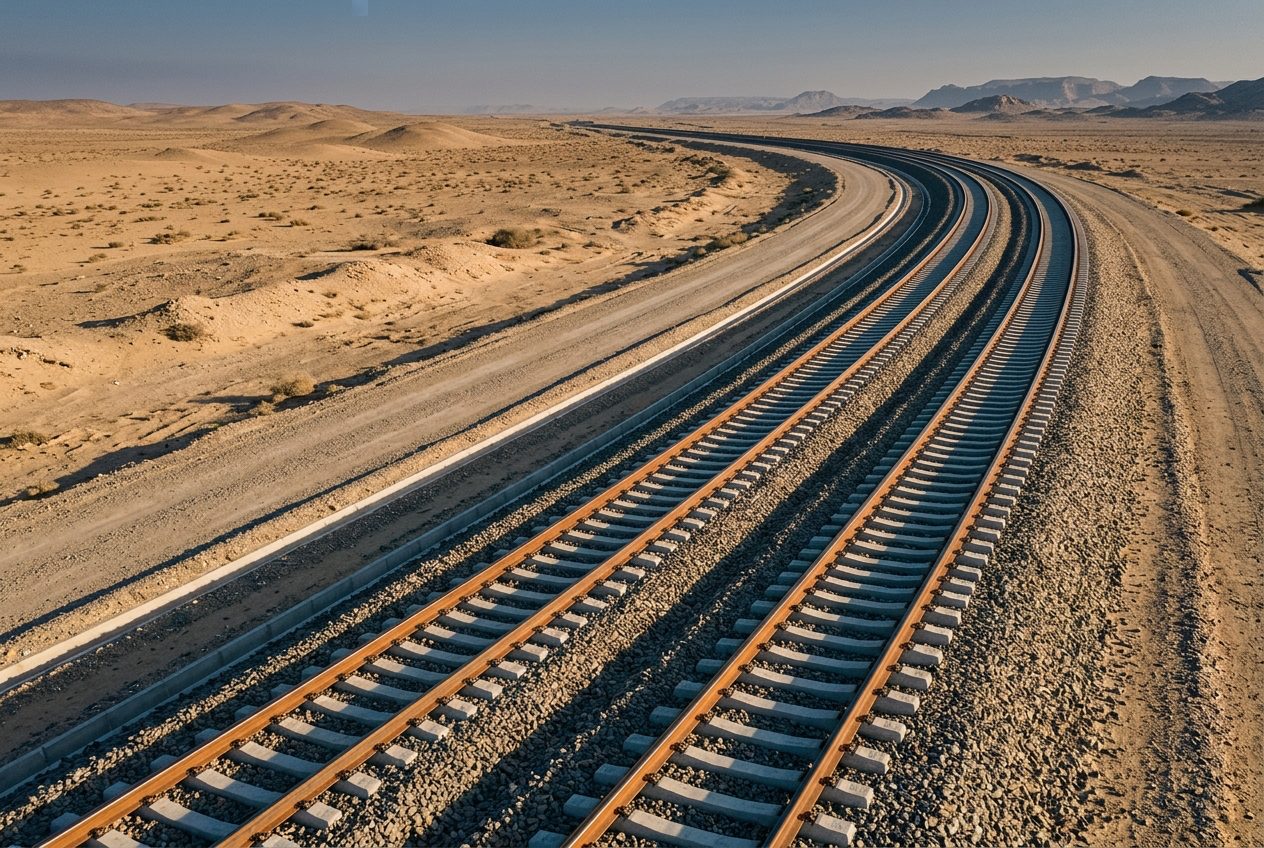
Rail operators in the GCC are building some of the world's newest railway networks while simultaneously establishing the asset management frameworks to sustain them. The gap between construction completion and maintenance maturity creates risk: undetected track geometry defects, premature sleeper degradation, and maintenance backlogs that compound over time.
Periodic manual inspection, whether quarterly or biannual, leaves blind spots. Conditions change between visits, and in a desert environment with daily temperature swings above 40°C they change quickly.
01
Full lifecycle cost modelling for track, signalling, and rolling stock assets. Aligned with ISO 55001, tailored to the capital-intensive realities of GCC rail programmes.
02
Transition from time-based to condition-based maintenance. Risk-prioritised intervention scheduling that reduces cost while maintaining safety and reliability.
03
Continuous vibration-based assessment of rail and sleeper condition using the Sensored IoT platform. Detects emerging geometry defects, joint deterioration, and ballast settlement before they reach intervention thresholds.
04
Asset data structuring and management system setup for new-build railway handovers. Ensuring Day 1 operational readiness of asset registers and maintenance plans.
Sensored units mount on the rail, the sleeper, or the ballast shoulder and record continuously. The 6-axis IMU runs at 500 Hz for structural response, and the high-bandwidth channel samples to 26.7 kHz where impact detail matters. The analysis is aimed at four things:
Alerts are raised against each sensor's own baseline rather than a generic threshold, which matters on track where two nominally identical sections behave differently. They can be routed straight into your existing maintenance system.
We have written up the first multi-kilometre deployment of this approach, including the baseline period and the alert logic: Continuous track condition monitoring →
More about SensoredA one-page summary of our rail services, written for internal circulation and procurement evaluation. Ask us and we will email it across.
Request the statementWe'll arrange a 30-minute call within 48 hours.
Get in Touch